
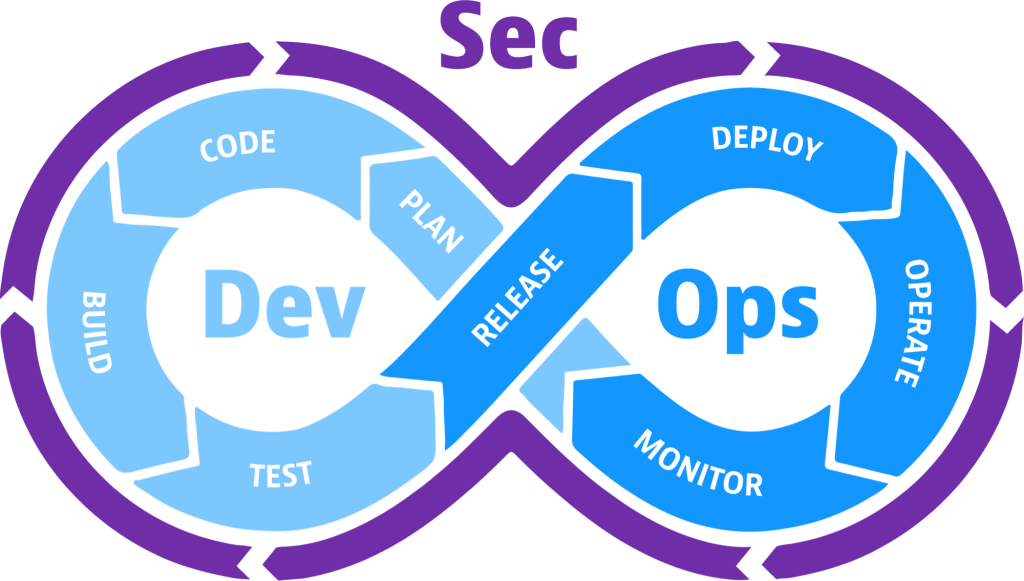
DevSecOps is an approach to software development that emphasizes the integration of security into the entire software development lifecycle. The term is a combination of three words – Development, Security, and Operations. The goal of DevSecOps is to ensure that security is built into every stage of the software development process, rather than being an afterthought or an additional step. In this blog, we will discuss the importance of DevSecOps and the benefits it offers to organizations.
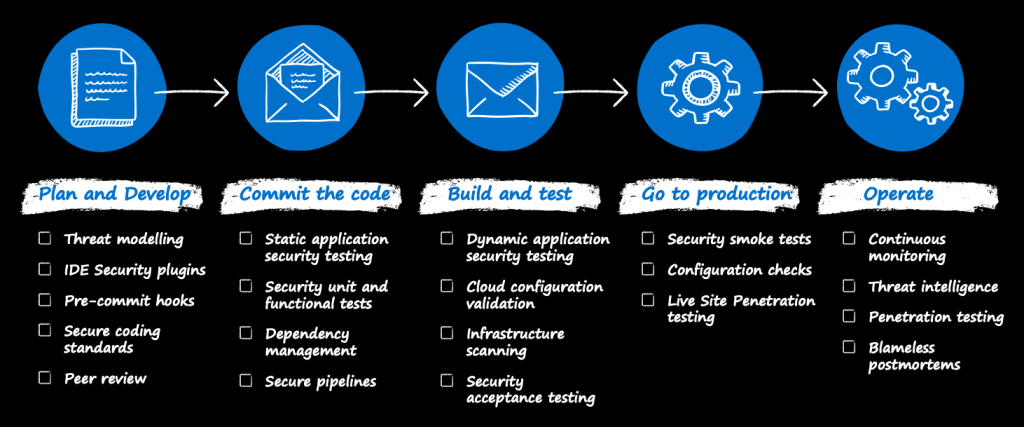
Importance of DevSecOps
In today’s world, cybersecurity threats are increasing, and organizations need to be proactive in protecting their applications and data. DevSecOps helps organizations achieve this by integrating security into the software development process. This approach enables organizations to identify security vulnerabilities early in the development process and take appropriate actions to address them. It also ensures that security is not compromised during the deployment and operation phases.
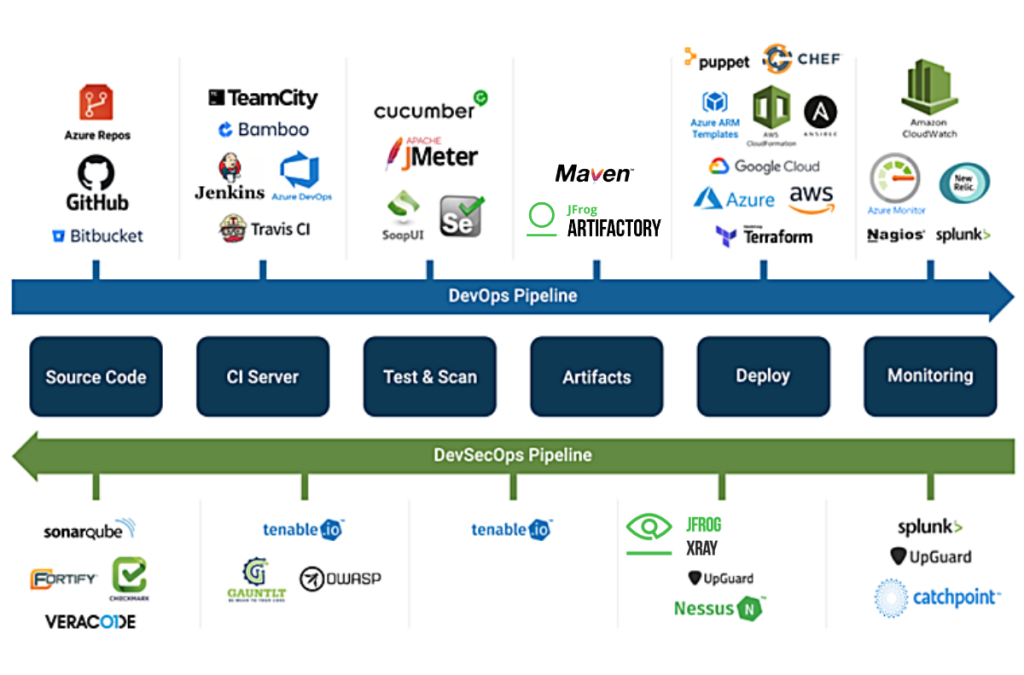
Benefits of DevSecOps
- Increased security: DevSecOps helps organizations identify security vulnerabilities early in the development process, reducing the risk of security breaches. By integrating security into the development process, organizations can build more secure applications that are less vulnerable to attacks.
- Faster delivery: DevSecOps automates many of the processes involved in software development, including testing and deployment. This results in faster delivery of software without compromising on security.
- Improved collaboration: DevSecOps promotes collaboration between development, security, and operations teams. By working together, these teams can identify and address security issues more effectively.
- Reduced costs: DevSecOps helps organizations identify and fix security vulnerabilities early in the development process, reducing the cost of addressing security issues later in the development cycle.
- Compliance: DevSecOps helps organizations meet regulatory compliance requirements by ensuring that security is built into the software development process from the beginning.
DevSecOps Best Practices
- Automation: DevSecOps emphasizes the use of automation tools to ensure that security is integrated into every stage of the software development process. This includes automated testing, automated deployment, and automated monitoring.
- Continuous integration and delivery: DevSecOps encourages the use of continuous integration and delivery (CI/CD) practices to ensure that software is developed, tested, and deployed quickly and efficiently.
- Risk assessment: DevSecOps involves regular risk assessments to identify potential security threats and vulnerabilities.
- Team collaboration: DevSecOps promotes collaboration between development, security, and operations teams to ensure that security is a priority throughout the software development lifecycle.
Conclusion
DevSecOps is a critical approach to software development that emphasizes the integration of security into every stage of the software development lifecycle. It offers numerous benefits to organizations, including increased security, faster delivery, improved collaboration, reduced costs, and compliance. By following best practices such as automation, continuous integration and delivery, risk assessment, and team collaboration, organizations can implement a successful DevSecOps approach that improves their software development process and enhances the security of their applications and data.
